A University of Sheffield study finds gambling ads shown during live sports significantly increase betting activity, raising fresh regulatory concerns.
Live Sports Betting Ads Trigger More Gambling, Major Study Finds

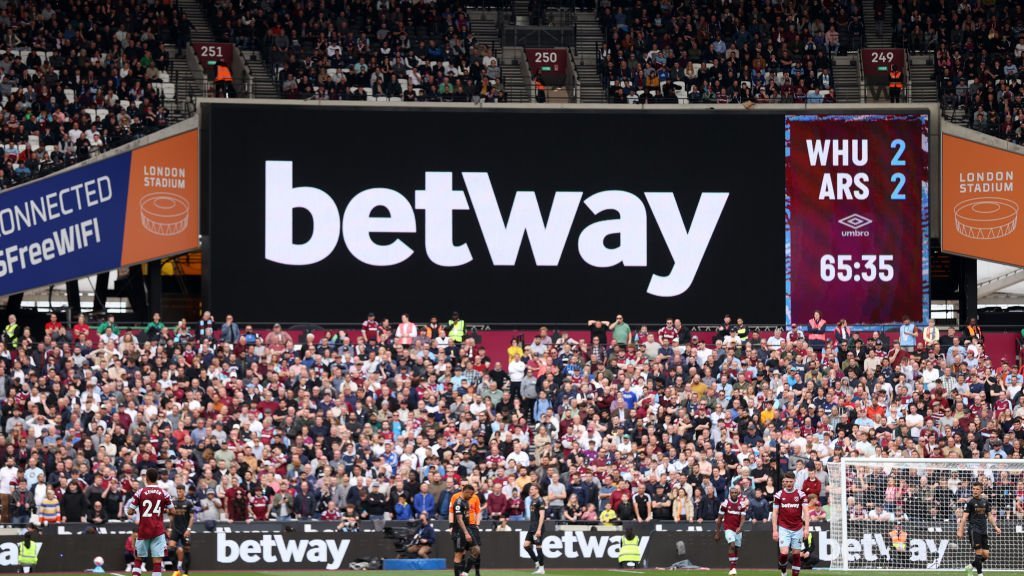
Watching a live football match may now come with more than just excitement.
A new study from the University of Sheffield has found that gambling advertisements shown during live sports broadcasts significantly increase the likelihood that viewers will place bets.
The findings — highlighted by BBC News — suggest that these ads don’t just promote betting brands. They actively drive more gambling activity.
📊 The World Cup Effect
Researchers analysed betting behaviour during the 2022 FIFA World Cup, one of the most-watched sporting events in the world.
They discovered:
- Viewers exposed to gambling ads were more likely to place football bets.
- The total number of bets increased — not just switching between companies.
- Men aged 18–45 showed the strongest response to live betting adverts.
In short: when gambling ads appear during emotionally intense matches, betting participation rises.
🎯 Why This Is Important Now
Live sports betting has become deeply embedded in football culture, with ads appearing:
- During commercial breaks
- Around pitch-side LED boards
- In pre-match and halftime segments
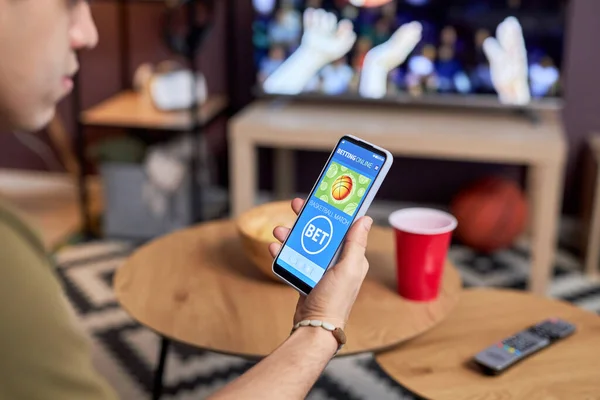
- Across companion apps and social media
Although some advertising restrictions exist in the UK, researchers suggest the current rules may not fully limit the behavioural impact of these promotions.
Public health experts warn that increased participation at a population level can lead to higher levels of gambling-related harm — particularly among younger and at-risk viewers.
🧠 How Gambling Ads Influence Behavior
Live sport creates emotional intensity — excitement, tension, anticipation.
Advertising during these moments can act as a psychological trigger:
- Encouraging impulsive decisions
- Reinforcing betting as part of the viewing experience
- Normalising gambling within sport
Researchers argue that when ads are shown at peak emotional moments, they may override rational decision-making.
🔎 What Happens Next?
With major tournaments and domestic leagues attracting millions of viewers each week, this study is likely to reignite debate around:
- Stricter gambling ad regulations
- Watershed-style restrictions during live sport
- Protecting vulnerable audiences
- The future of sports sponsorship by betting companies
The key takeaway? Live sports gambling ads may be doing more than promoting brands — they may be reshaping betting behaviour in real time.
Read This Also: Overview of BetCX7 Cricket Exchange and Live Betting App
New Casinos

Pakistan: 100% match bonus up to 30,000 PKR

Get a 100% Welcome Bonus up to 30,000 PKR on BetCX7

Stars Casino: Get $100 bonus cash + 200 bonus spins
Ocean Casino: 200% match bonus up to $500 + 20 bonus spins
1 Free Spin credited for every $1 deposit. Up to $100 + 100 Spins
Monte Casino: Get 10 no deposit spins + $100 Bonus


Recent News